Happy Summer Solstice!
It’s been a busy and rewarding few months for Future Fashion Fair.
A large part of our focus has been on our work with the Greater Manchester Combined Authority, exploring what a thriving circular fashion and textiles ecosystem could look like across the region. The process has been eye-opening, inspiring and, at times, surprising. We’ve had the privilege of speaking with businesses, charities, educators, makers, manufacturers and community organisations across Greater Manchester, and one thing has become abundantly clear: there is already an incredible amount of activity taking place.
While we’re not quite ready to share the findings, we’re excited about the opportunities that have emerged and look forward to publishing the report and recommendations in the coming months.
Of course, it would be impossible not to acknowledge the wider political backdrop that has unfolded across Greater Manchester recently. With local and national politics continuing to shift, and significant changes in leadership on the horizon, the region enters a period of transition. Whilst political change can create uncertainty, it also presents an opportunity to rethink priorities and ensure that circular economy, skills, community wealth building and sustainable industry remain firmly on the agenda.
Whatever comes next, we remain optimistic. The passion, expertise and commitment we’ve encountered across the region gives us confidence that Greater Manchester is well placed to continue leading the conversation around circular fashion and textiles.
🎤 Open Mic at Emmaus Mossley
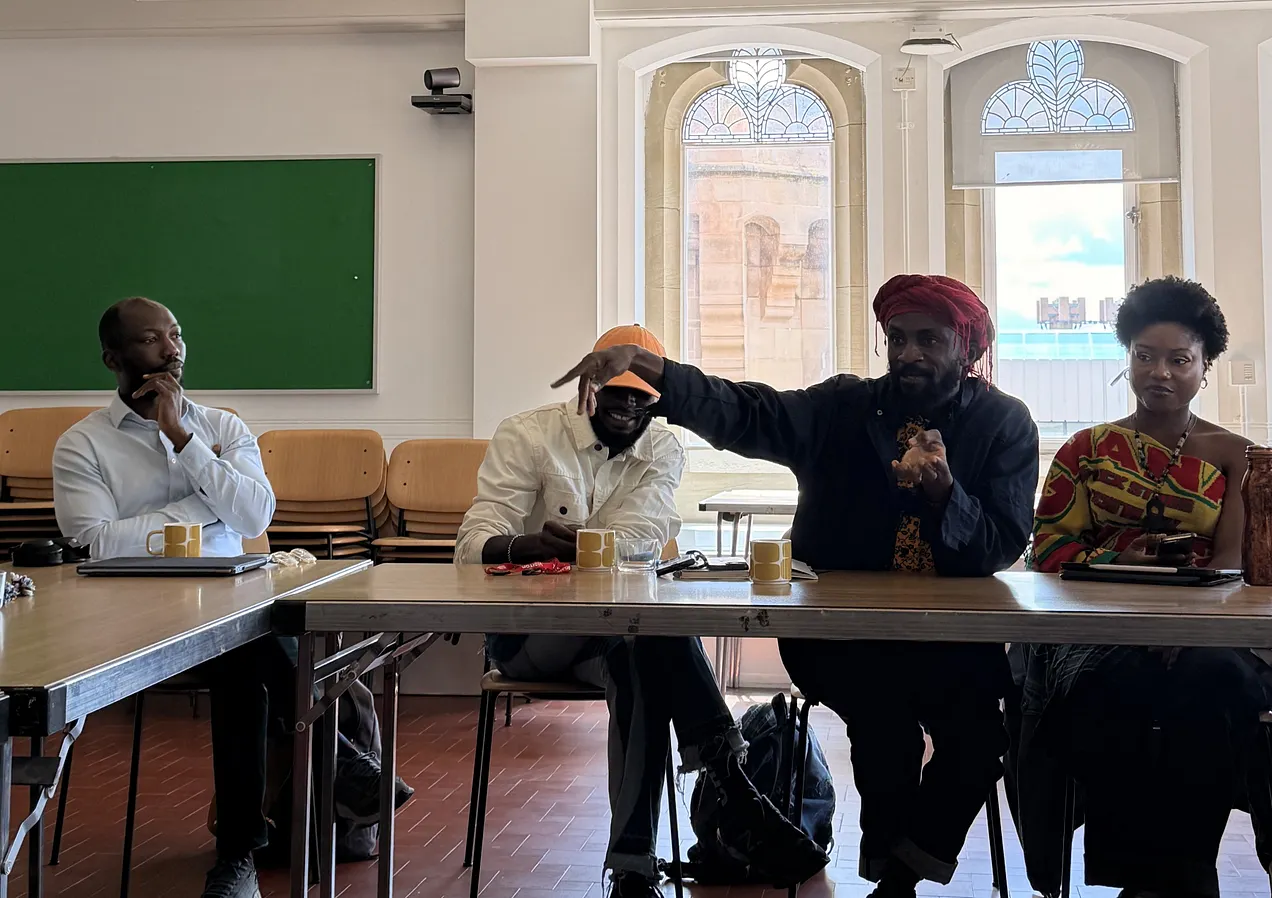
It already feels like a lifetime ago, but at the beginning of May we joined the team at Emmaus Mossley for their monthly “After Shift Thrift” social.
We hosted an open mic discussion exploring a simple but important question:
How do we make reuse and circularity more mainstream?
As always, the conversation was insightful, challenging and full of optimism. We explored some of the common perceptions and barriers around second-hand shopping, while also celebrating the role charity shops can play in helping people discover genuine quality, vintage gems and clothing that is built to last.
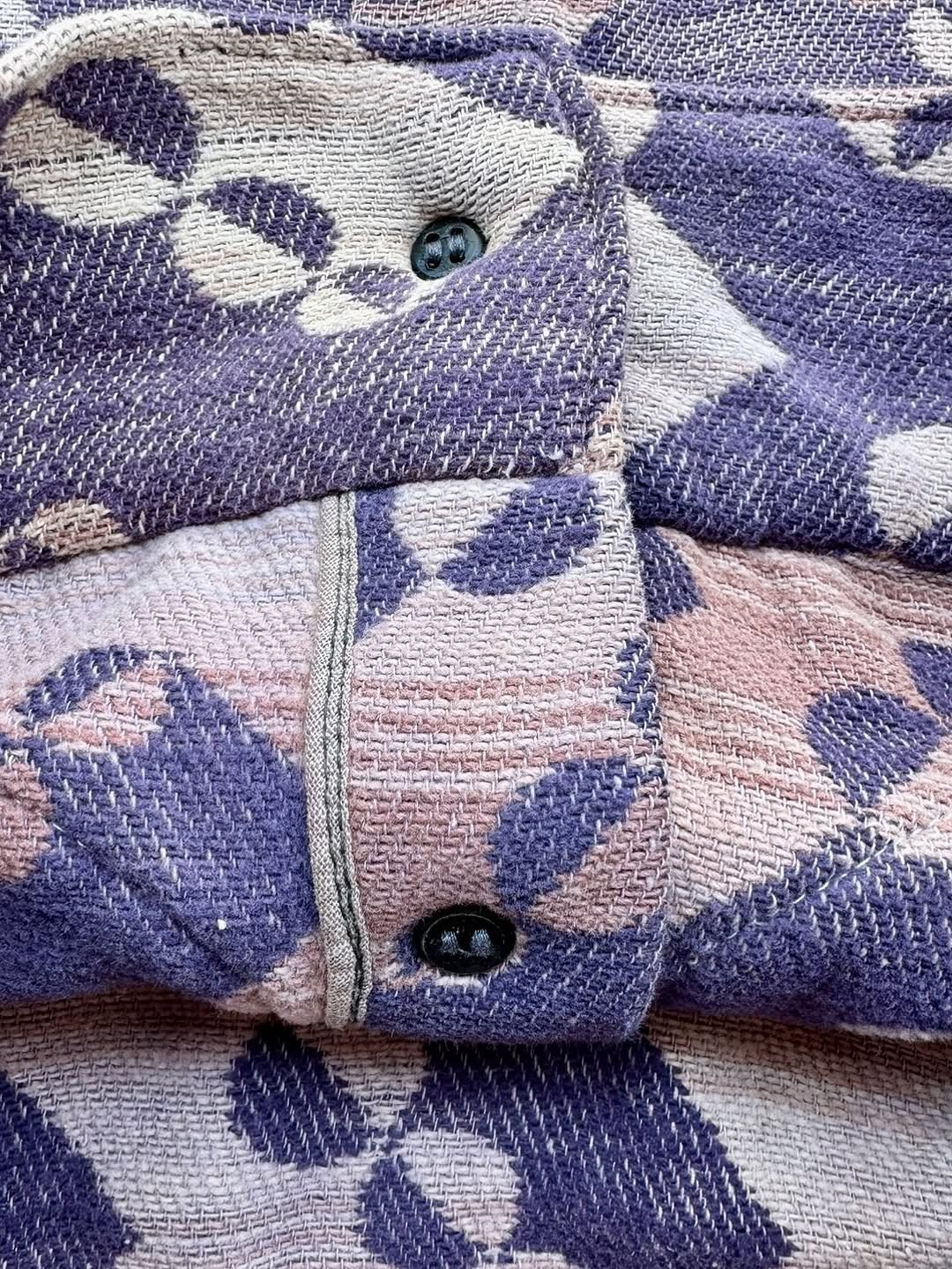
Speaking of vintage gems... before the discussion started, Joe managed to pick up an absolute beauty of a vintage England shirt. Some opportunities simply can’t be ignored.
A huge thank you to everyone who joined us and contributed to the conversation.
🌍 Learning from The OR Foundation
This month, we were fortunate to attend a roundtable hosted by The OR Foundation at Manchester Museum.
For those unfamiliar, The OR Foundation works at the intersection of environmental justice, education and fashion systems change, and is perhaps best known for its work in Kantamanto Market in Accra, Ghana - one of the world’s largest second-hand clothing markets.
The discussion focused on upcycling, circular economies and the realities of global second-hand fashion systems. We explored both the opportunities and challenges facing makers and entrepreneurs, from the quality of imported clothing through to the difficulties of distributing products internationally.
What was particularly striking was the creativity, ingenuity and skill demonstrated by the upcycling community in Ghana. It offered a glimpse into what a more resourceful and circular future of fashion manufacturing could look like.
While there, we also picked up a beautiful handmade water bottle holder created by one of the makers connected to Kantamanto Market.
If you’re not familiar with The OR Foundation and their work, we highly recommend taking a look.
📋 We Need Your Input
One of the strongest themes emerging from our research is the potential value of shared workspaces and shared manufacturing infrastructure.
To help us explore this further, we’re running a short survey and would love to hear from:
- Makers
- Designers
- Brands
- Manufacturers
- Circular fashion businesses
- Social enterprises and charities
- Anyone interested in using shared production or workshop facilities
If that sounds like you, please take five minutes to complete the survey.
Your input will directly help shape future recommendations and opportunities for the sector.
💼 Opportunity: RoLL Research Position
Manchester Metropolitan University’s Robotics Living Lab (RoLL) is currently recruiting a Senior Research Fellow.
This is an exciting opportunity for someone with a manufacturing background, strong analytical skills and an interest in innovation to help shape a new research area focused on collaborative robotics and agile manufacturing within the fashion industry.
👉 View the role here:
https://manmetjobs.mmu.ac.uk/jobs/vacancy/senior-research-fellow-robotics-living-lab-9153-manchester-all-saints-campus/9071/description/
🤝 Join the Community
Thank you for being part of the Future Fashion Fair community.
Whether you’ve attended an event, contributed to our research, shared ideas or simply followed along, your support, energy and curiosity are helping build a stronger circular fashion movement across Greater Manchester.
👉 Join the WhatsApp community here


When textiles stay in circulation, communities thrive and businesses discover new value. This is where real sustainability begins.
Every little helps.
Find answers to common questions about circular fashion and textile systems.
Circular fashion is a system where textiles stay in use as long as possible through repair, resale, remanufacturing, and recycling. Instead of the linear model of make-buy-dispose, garments move through multiple lives and purposes before eventually becoming something else entirely.
Begin by mapping what already exists in your community or organisation. Understand who's repairing, collecting, and designing for longevity. Then identify one small intervention you can make and measure what happens. Start small, learn quickly, and expand from there.
Circular systems depend on coordination between communities, businesses, and institutions. No single organisation can build this alone. When these groups work together, they can identify gaps, share resources, and create infrastructure that actually works.
Communities are essential because circular systems only work if people understand why they matter and choose to participate. A repair workshop needs customers. A swap shop needs participants. Building genuine engagement takes time and listening, not marketing.
Policy can create incentives for circular approaches through extended producer responsibility, right-to-repair legislation, and investment in repair infrastructure. The most effective policies are designed with input from communities, businesses, and the people actually doing the work.
READY TO BUILD
CIRCULAR FASHION?
Explore our services or request
a conversation about collaboration.