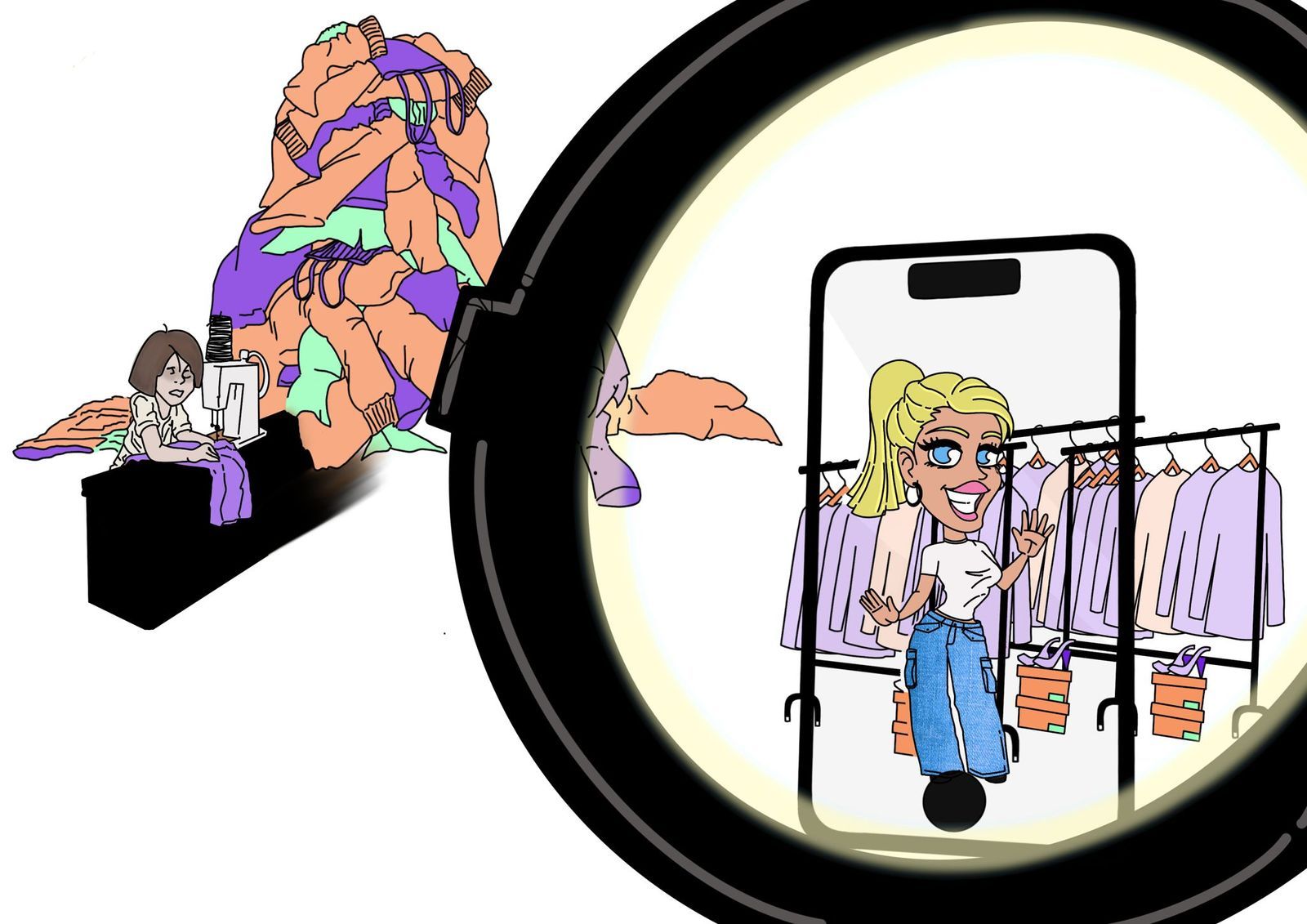
In the past few years, TikTok has become one of the world's most popular applications. From dance routines to food trends, there's nothing you won't find on TikTok. One of its newest features is an e-commerce 'shop'. This shop is described as "an innovative new shopping feature which enables merchants, brands and creators to showcase and sell products directly through TikTok through in-feed videos, LIVEs, and product showcase tab".
If you're a regular user of the app, you've probably seen popular creators featuring in live stream videos, promoting their 'favourite' products to encourage followers to purchase. Anyone can set up a shop on TikTok, and it costs nothing for a creator to set one up. Once they have set up and chosen some items to add to their list, they begin to promote them to their following. For each purchase, the creator will earn some commission. For the first 90 days, commission is reduced to 1.8%, and it then increases to 5% per purchase. Popular items on the shop include high-end makeup (such as Charlotte Tilbury), home accessories, clothing, and even food!
So, what is the problem with this new e-commerce 'shop'?
Even from first glance, looking into the clothing section of the shop, you can clearly see that all items are ridiculously cheap. We're talking Shein prices cheap. It appears there may be some drop shipping going on, with creators purchasing high volumes of items from online stores such as Shein or AliExpress, and then selling them via TikTok shop for a slightly higher price. Despite this, items are still extremely cheap. For example, an obvious copy of the Corteiz white/black tank is being sold via TikTok shop for £13.60. Throughout the past few years, since Shein has become so popularized (thanks to TikTok), they have come under fire too many times for copying designs from other businesses. This is now being further promoted via TikTok shop, leaving smaller brands at a huge disadvantage. Not only this, but it is obvious from the price of the items that the quality is low, suggesting that they have been made using cheap materials, most likely in a country where workers are being paid minimal wages to make thousands of these items every single day. Realistically, we all know that there is no way these clothes are sustainable or produced in an ethical way. So why do consumers keep purchasing these items?
Overconsumption is a common trend. The UK has the highest consumption of new clothing in Europe, with 26.7 kgs per capita. Unfortunately, customers are always looking for a good-looking product for a small price, usually wearing it only once and then forgetting it exists. Although there has been an increase in the number of consumers choosing to shop more sustainably, there has also been a huge surge in the number of items being purchased from Shein. This has led to Shein becoming the largest fashion retailer in the world in 2022. TikTok shop is taking a similar route to the fashion retailer, using creators with a large and predominantly young following to promote their 'favourite' products via live stream or 3-minute video.
TikTok has been downloaded over 3 billion times, with much of its growth stemming from the surge during the 2020 lockdown, which is also when "TikTok creators" emerged. This platform is especially popular among Gen Alpha and Gen Z users, and creators can effectively market products to these consumers, who then become influenced by them. Creators can compile lists of their favourite TikTok shop products and link them above their videos, making it easier for viewers to purchase the items they endorse. However, this raises questions about the reliability of influencers. Do they genuinely like and use these products, or are they promoting them for financial gain? It's difficult to discern, and this uncertainty can lead consumers to buy items that aren't up to par, thereby contributing to overconsumption and clothing waste.
Although there has been an increase in awareness and sustainability around purchasing clothing, some consumers are still unaware of the impact of buying from places like the TikTok shop and continue to do so regularly. With the rise of influencers on TikTok, young users are becoming inundated with cheap, easily accessible products, prompting them to buy unnecessary items without realizing the damage they are causing. Consumers need to be informed about the production process of the items they are purchasing and the damage they are contributing to, but fast fashion shops are notoriously private about their business practices, making it difficult to expose them.


When textiles stay in circulation, communities thrive and businesses discover new value. This is where real sustainability begins.
Every little helps.
Find answers to common questions about circular fashion and textile systems.
Circular fashion is a system where textiles stay in use as long as possible through repair, resale, remanufacturing, and recycling. Instead of the linear model of make-buy-dispose, garments move through multiple lives and purposes before eventually becoming something else entirely.
Begin by mapping what already exists in your community or organisation. Understand who's repairing, collecting, and designing for longevity. Then identify one small intervention you can make and measure what happens. Start small, learn quickly, and expand from there.
Circular systems depend on coordination between communities, businesses, and institutions. No single organisation can build this alone. When these groups work together, they can identify gaps, share resources, and create infrastructure that actually works.
Communities are essential because circular systems only work if people understand why they matter and choose to participate. A repair workshop needs customers. A swap shop needs participants. Building genuine engagement takes time and listening, not marketing.
Policy can create incentives for circular approaches through extended producer responsibility, right-to-repair legislation, and investment in repair infrastructure. The most effective policies are designed with input from communities, businesses, and the people actually doing the work.
READY TO BUILD
CIRCULAR FASHION?
Explore our services or request
a conversation about collaboration.